Tips
Why Your Septic System Deserves Better Than "Out of Sight, Out of Mind"
A septic tank pump out is the single most important maintenance task for your home's wastewater system. Staying ahead of problems by understanding when and how to pump your septic tank can save you thousands in emergency repairs and prevent system failures that cost $15,000 to $35,000+ to replace.
Quick Answer: Septic Tank Pump Out Essentials
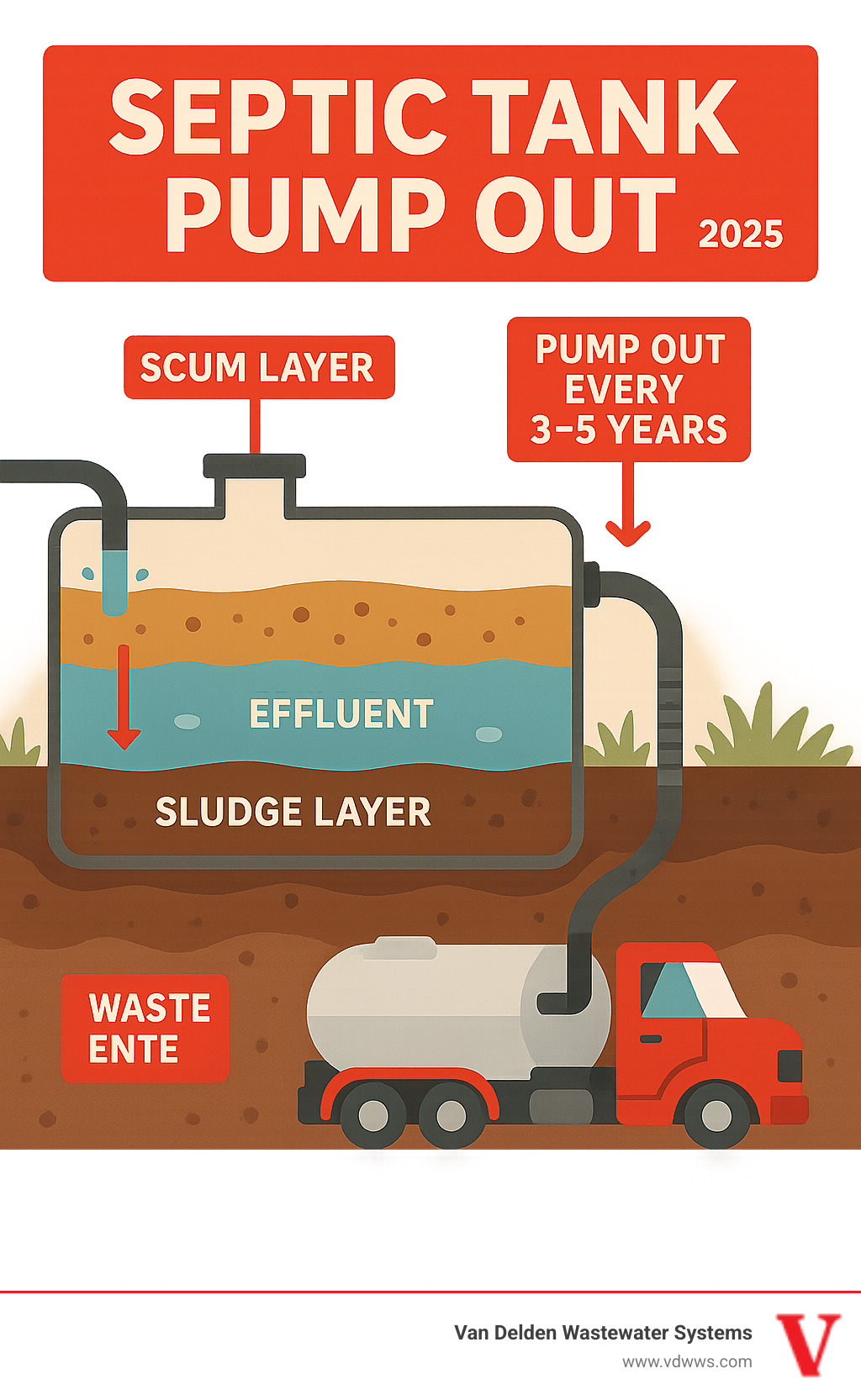
- Frequency: Every 3-5 years for most homes.
- Signs you need pumping: Slow drains, sewage odors, pooling water, lush grass over drainfield.
- Process: A professional service takes 20-60 minutes depending on tank size.
- Cost factors: Tank size, accessibility, location, and disposal fees.
- Why it matters: Prevents system failure, protects groundwater, and extends system life.
Most homeowners don't think about their septic system until something goes wrong. By then, what could have been a routine $300-$500 pump out has become an expensive emergency. The good news is that septic systems are designed to last for decades with proper care. Regular pumping removes the accumulated sludge and scum that can clog your drainfield, protecting both your wallet and the environment.
Understanding Your Septic System: The Basics
Your septic system is your home's personal wastewater treatment plant. The septic tank, a large container buried in your yard, receives all household wastewater and separates it into three layers: a top scum layer (oils and grease), a middle layer of liquid effluent, and a bottom sludge layer of heavy solids.
Anaerobic bacteria in the tank break down organic solids, but they can't eliminate everything. The partially treated effluent flows to the drainfield (or leach field), a network of perforated pipes that allows the liquid to seep into the soil for final filtration. This process is why regular septic tank cleaning improves system performance.
If solids accumulate and clog the drainfield, the system fails, potentially causing sewage backups and contaminating local groundwater. This creates serious public health and environmental concerns.
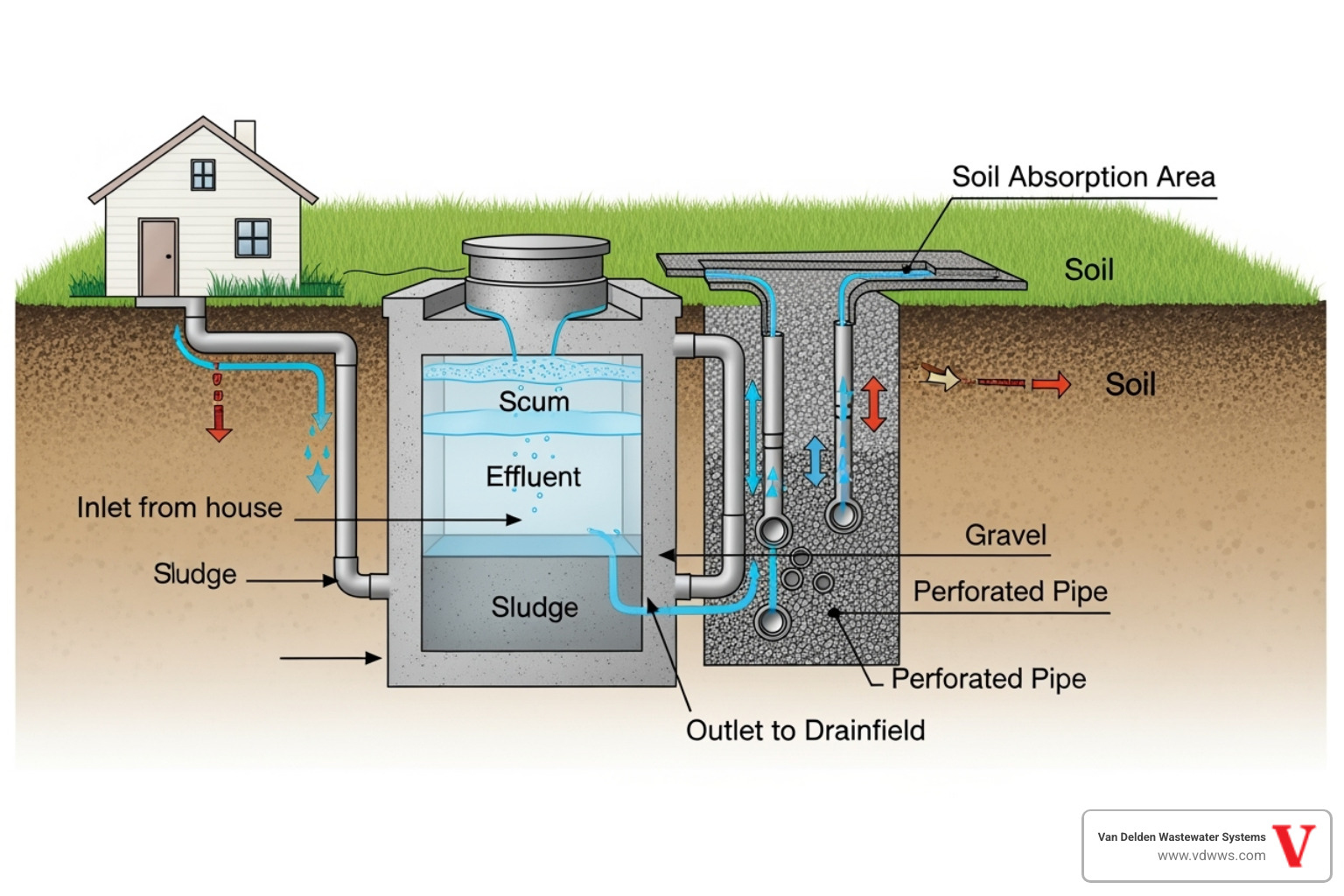
(Image source: Conventional septic system - Image from epa.gov)
Why Regular Pumping is Crucial
The bacteria in your tank can't break down everything. Materials like soap residue, hair, and coffee grounds accumulate. When the scum and sludge layers grow too thick, they can block the outlet pipe, forcing solids into the drainfield and compromising its filtration ability. A regular septic tank pump out removes these layers, preventing clogs, protecting the expensive drainfield, extending system life, and avoiding hazardous sewage backups. This is why you should have your septic tank cleaned - Part 2 of any home maintenance plan.
Septic Tank vs. Holding Tank
It's important to know which system you have. A septic tank treats wastewater and has an outlet to a drainfield, requiring pumping every 3-5 years. A holding tank simply stores all wastewater with no outlet or treatment, requiring pumping every 2-4 weeks. This difference in function leads to a significant difference in long-term maintenance costs.
How Long Do Septic Tanks Last?
Lifespan depends on material and maintenance. With proper care, a tank can reach or exceed its expected lifespan.
- Concrete tanks are durable and can last 40 years or more.
- Steel tanks have a shorter lifespan of 15-20 years due to corrosion.
- Plastic tanks are corrosion-resistant and can last for decades, similar to concrete.
Consistent maintenance is the key. Following simple ways to extend your septic system life, like regular pumping, is the best way to protect your investment.
Is It Time? Key Signs and Pumping Schedules
Your septic system will give you hints when it needs attention. Being proactive about your septic tank pump out schedule is essential for protecting your home and wallet. Understanding when is it time for septic tank pumping can prevent a routine visit from becoming an emergency.

Signs Your Septic Tank Needs Pumping
Ignoring these warning signs can lead to costly repairs. Look out for:
- Slow drains: When multiple fixtures throughout your home drain sluggishly, your tank is likely nearing capacity.
- Gurgling sounds: Strange noises from your plumbing can indicate trapped air in an overloaded system.
- Sewage odors: Unpleasant smells from drains or in your yard are a clear red flag.
- Pooling water: Soggy areas around your drainfield, even in dry weather, mean the ground can no longer absorb wastewater effectively.
- Lush grass: Unusually green grass over the drainfield indicates it's oversaturated with nutrient-rich wastewater.
- Toilet flushing problems: Incomplete flushes or needing multiple attempts to clear the bowl are common signs.
- Sewage backup: If wastewater appears in toilets or tubs, you have an emergency. Catching the top 3 signs you should clean your septic tank right now can help you avoid this.
How Often Should You Pump Your Tank?
The general rule for most homes is to pump the septic tank every three to five years. This timing strikes a balance between preventing problems and avoiding unnecessary costs. The Canadian Mortgage and Housing Corporation also recommends tank emptying every three to five years.
However, alternative systems with electrical components or pumps require annual inspections to ensure all parts are working correctly. For more specific advice, see our guide on how often should my septic tank be cleaned.
Factors Influencing Your Septic Tank Pump Out Frequency
Your ideal pumping schedule depends on several factors:
- Household size: More people means more wastewater and a need for more frequent pumping.
- Tank size: Larger tanks have more capacity and can go longer between pump-outs.
- Water usage: High water usage (long showers, frequent laundry) fills the tank faster.
- Garbage disposal use: Food waste adds significant solids, often requiring pumping every 2-3 years.
- High-efficiency appliances: These reduce water usage, which can help extend the time between pump-outs.
Understanding these variables helps create a custom schedule. Local conditions can also play a role, which is why resources like how often to pump septic tank in Helotes offer region-specific guidance.
The Septic Tank Pump Out Process: What to Expect
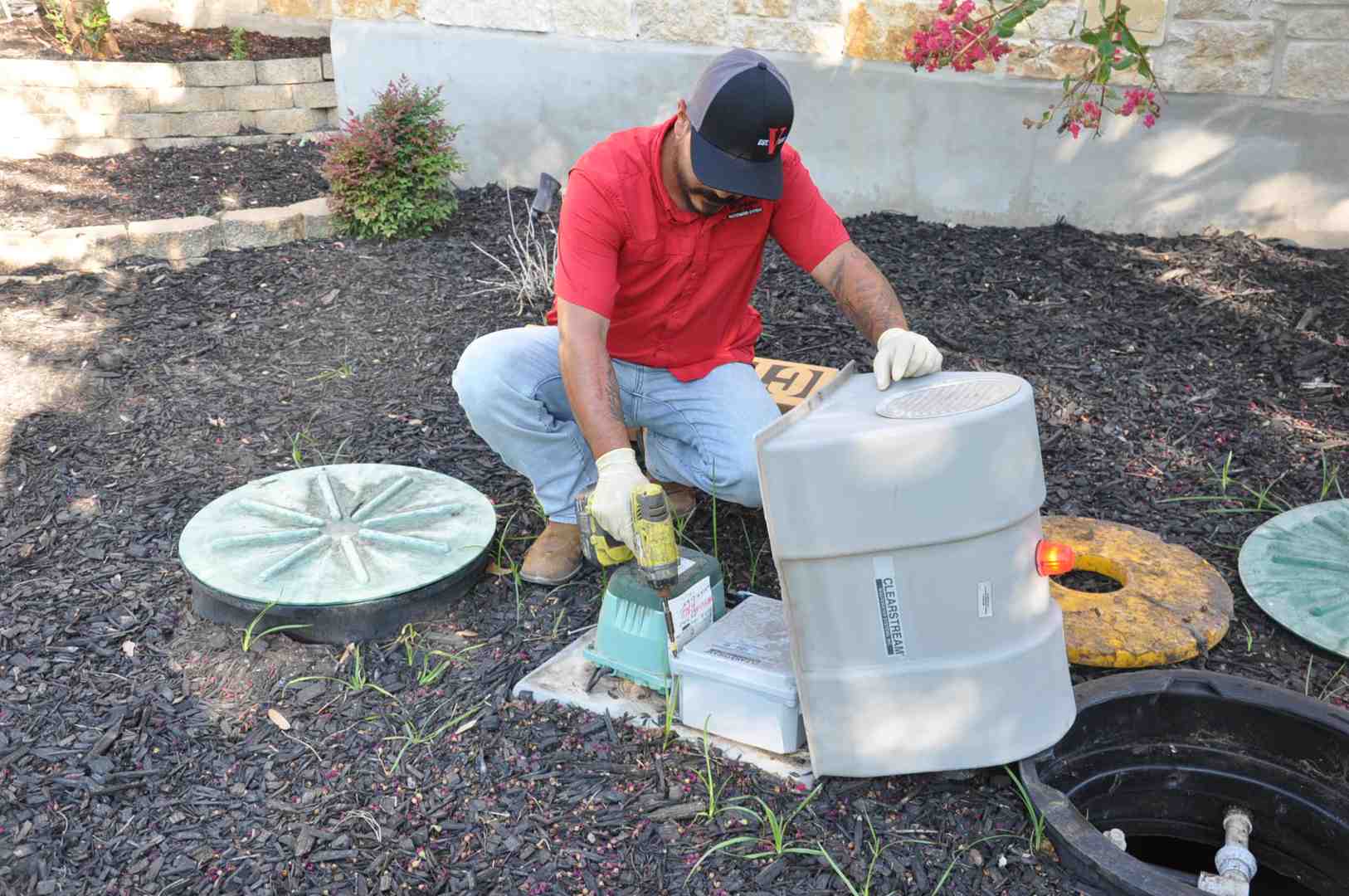
When it's time for a septic tank pump out, our licensed technicians handle the job safely and efficiently. We keep you informed throughout the process, which is straightforward with the right team. For more details, see what to expect during septic tank cleaning.
Locating Your Septic Tank
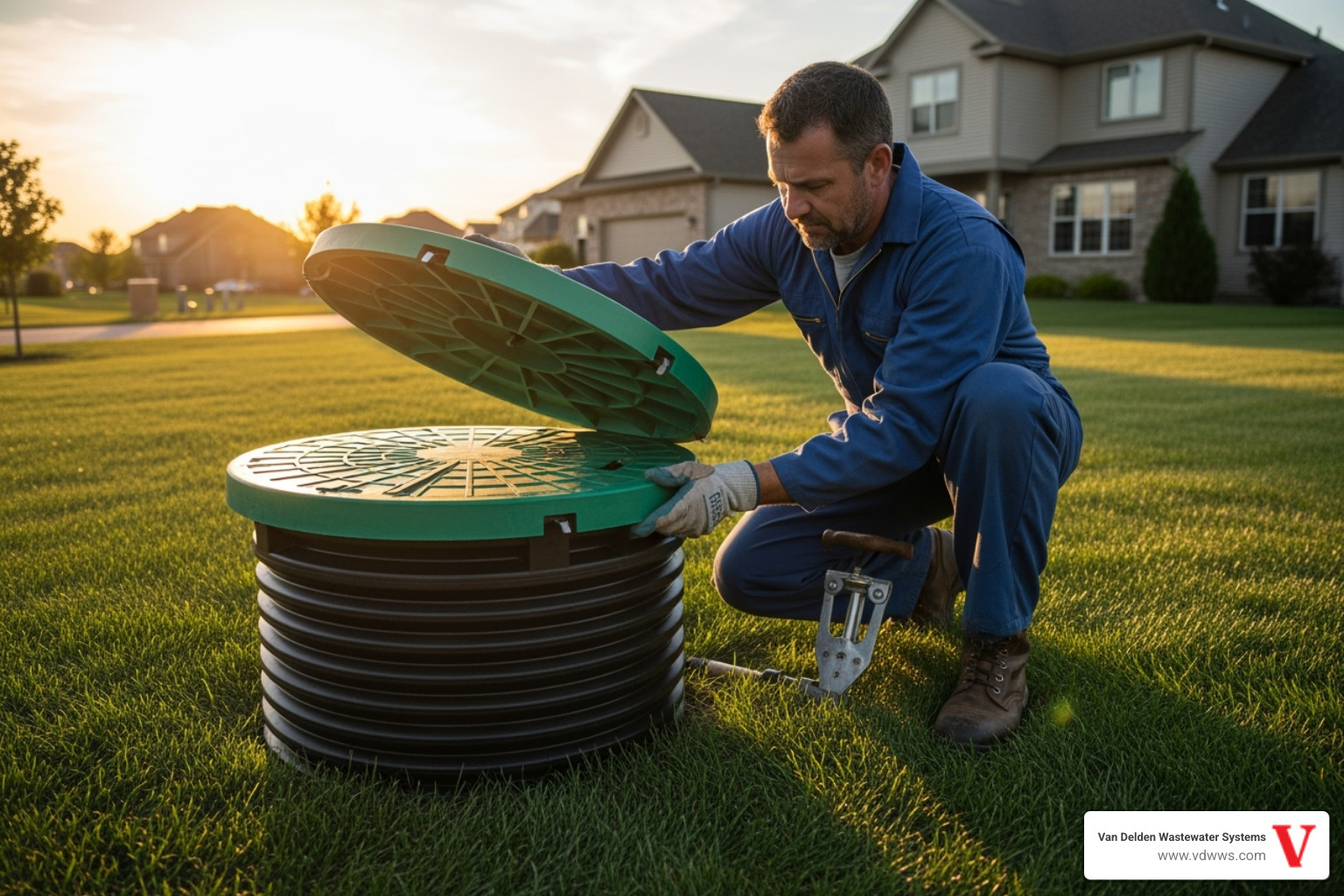
First, we need to find your tank. If you have as-built drawings of your home, they can show us where to look. If not, our technicians can probe the ground or follow the main sewer line from your house. The easiest access is provided by risers, which are plastic or concrete cylinders that extend the tank's access port to ground level. Risers eliminate the need for digging, making every future septic tank cleaning faster and protecting your landscaping.
During the Pumping Service
Once the tank is uncovered, we get to work. Most tanks have two compartments, and we uncover the lids to both to ensure a complete job. We use a powerful vacuum hose from our truck to remove all the accumulated scum and sludge from both compartments.
While pumping, we also conduct a visual inspection of the tank's interior, checking the inlet and outlet baffles and looking for any cracks or damage. This inspection is a key part of a look behind septic tank cleanings and helps catch problems early. A typical pump out takes 20-60 minutes, depending on tank size.
DIY Septic Tank Pump Out: Risks and Realities
While DIY projects can be satisfying, pumping a septic tank is a job best left to professionals. The risks are significant:
- Specialized Equipment: The job requires industrial-strength vacuum trucks designed to handle raw sewage.
- Health Hazards: Septic tanks produce toxic gases (methane, hydrogen sulfide) that can be deadly. The infection risks from work with sewage are severe.
- Waste Disposal Regulations: Septic waste must be transported and disposed of at approved facilities according to strict environmental laws.
- Incomplete Job: Without proper expertise, you risk leaving solids behind or damaging tank components.
Trusting a licensed professional ensures the job is done safely, thoroughly, and legally.
Proactive Care: Costs and System Maintenance
Investing in routine septic tank pump out services is one of the smartest moves a homeowner can make. It's the difference between a predictable maintenance cost and a $20,000 system replacement. Proper care is simple and mostly involves being mindful of what goes down your drains. This is why regular septic tank cleaning saves money in the long run.
What Never to Flush or Pour Down the Drain
Your septic tank is a biological system, not a trash can. Only human waste and toilet paper should go down the toilet. Avoid these items to protect the helpful bacteria in your tank:
- Grease and Oil: These solidify and create thick scum layers that clog your system. Wipe greasy pans before washing and think at the sink.
- "Flushable" Wipes & Feminine Hygiene Products: These do not break down like toilet paper and are a primary cause of clogs.
- Harsh Chemicals: Bleach, drain cleaners, and paint can kill the beneficial bacteria your system needs to function.
- Food Waste & Coffee Grounds: These add excessive solids that accumulate quickly. Heavy garbage disposal use means you'll need to pump your tank more often.
- Other Items: Never flush cat litter, medications, dental floss, cigarette butts, or paper towels.
The EPA's video "Don't Overload the Commode!" offers a helpful reminder.
Maintaining Your Drainfield
Your drainfield is the most expensive part of your system to replace, so protecting it is critical.
- Never drive or park on the drainfield. The weight compacts soil and can crush pipes.
- Avoid construction like patios or sheds over the area. Tree roots can also invade and damage pipes.
- Plant only grass or shallow-rooted plants over the drainfield.
- Divert rainwater from gutters and sump pumps away from the area to prevent oversaturation.
- Conserve water to reduce the load on your entire system.
The EPA's video "Shield Your Field!" provides more tips on protecting this vital component.
The Cost of a Septic Tank Pump Out
The cost of a pump out is an investment in preventing much larger expenses. The final price is influenced by several factors:
- Tank Size: Larger tanks take longer to pump.
- Accessibility: If we need to dig to find and access the lids, it adds to the labor cost. Installing risers eliminates this fee for future services.
- Disposal Fees: Waste must be taken to an approved treatment facility, and these fees are part of the service cost.
- Location: Your home's location can influence travel time.
We provide transparent, upfront estimates. For more details, see our guide on how much does it cost to clean my septic tank. The most expensive pump out is the one you skip.
Frequently Asked Questions about Septic Pumping
Here are answers to the most common questions we receive from homeowners.
What's the difference between septic tank pumping and cleaning?
Though often used interchangeably, pumping refers to using a vacuum truck to remove all the liquid and solid contents from your tank. Cleaning is a more thorough process that might include hosing down the interior walls and cleaning the effluent filter after pumping. For routine maintenance, pumping is the essential service that removes the problematic solids. For more details, see our comparison: septic tank pumping vs. cleaning: what's the difference?
Do septic tank additives work?
Generally, no. Your septic tank already contains all the natural bacteria it needs to break down waste. Most additives are unnecessary, and some can even harm your system by adding solids, killing beneficial bacteria, or contaminating groundwater. We do not recommend using them. Your tank will still need regular pumping regardless of any additives used. We cover this in our guide: do I need to pump my tank if I use additives.
My tank was just pumped. Why is it full of water again?
This is the most common question we get, and it's a sign your system is working correctly! A septic tank is designed to be full of liquid to allow for the proper separation of solids. As soon as you use water in your home, the tank will begin to refill with liquid effluent. This is normal. What we removed during the septic tank pump out were the years of accumulated sludge and scum layers at the bottom and top. You should only be concerned if you see water levels above the outlet pipe, sewage backing up, or pooling water in your yard. Otherwise, a full tank of liquid is a healthy tank. Learn more here: help! my septic tank is full.
Conclusion: Partner with a Trusted Professional
Your septic system is a vital part of your home's infrastructure. As this guide shows, a regular septic tank pump out is not just maintenance—it's essential protection for your property, health, and finances. A routine service every 3-5 years is a small investment compared to a system replacement that can cost $15,000 to $35,000 or more.
Choosing the right company is crucial. At Van Delden Wastewater Systems, we've been a family-owned business serving Texas communities since 1937. Our non-commissioned technicians focus on educating you about your system and providing honest recommendations, not upselling you on services you don't need. We serve Boerne, San Antonio, Helotes, and surrounding areas with a commitment to quality work, backed by detailed documentation and photos.
Don't wait for sewage backups or a soggy yard. Protect your investment with proactive care. To make future maintenance easier and more affordable, consider installing septic tank lids and risers.
Schedule your routine maintenance today and find why the best septic problems are the ones that never happen.
Recent Blog post
Customer Reviews

Peter was personable, professional and thorough. Highly recommend Van Delden. You might be able to find a cheaper company but not better!
On time. 100% professional, knowledgeable, and courteous. Very helpful and straightforward. That is the bar all businesses should strive for.
It has been a pleasure working with your company. Not only did y’all communicate very well but your workers were always polite! Thank you!
“I thank Van Delden for such prompt service. Honest people are hard to come by these days. I will certainly recommend Van Delden to anyone! Jesse is an upstanding young man and very nice to talk to. I thank everyone at Van Delden for taking such good care of me.”
This is just a note to thank you for explaining the problem with my system. You didn’t have to be so kind and I appreciate your good business ethics and time spent. In the future you will have mine in return!
Blogs
Stay updated with our latest blog posts.